

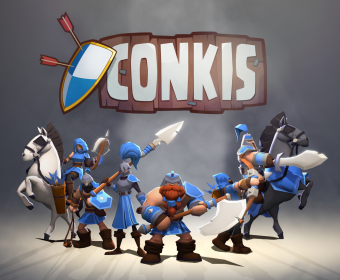
Conkis


Begin your first battle in Conkis by acting like a planner, not a button presser. Before you move, scan the field and mark the lanes that actually matter: routes to banners, choke points that stall an advance, and squares where a single defender can hold two threats. Toggle between wide and close views to understand how space opens and closes. Pick your win plan early: either secure ground and hold it long enough to score, or set up trades that collapse the opponent’s formation. Write that plan in a sentence you can follow each turn: “Pressure left, pin center, score right.”
On the opening turns, spend actions on structure. Stack roles so each piece has a job. Tough units screen, quick units threaten flanks, long-range hitters punish overextension. Move in pairs and triangles so every push is covered by a second angle. When going for a banner, take the square before you take the fight: step onto cover squares first, then tie down threats, then step in to score. If you’re facing a faster lineup, advance in layers; if you’re faster, force trades in places that open a path. Keep a simple check each turn: what do you gain if you move here, and what do you give up if your opponent answers with their best reply?
Midgame is about tempo and edges. Count how many enemy pieces can reach a target square next turn and aim to exceed that by one. Use feints: show pressure on one lane to drag responses, then pivot through the gap. When you can’t win a direct clash, switch to cutoffs—occupy tiles that sever support lines and turn strong pieces into stranded ones. Don’t overinvest in a single banner; rotate pressure to force awkward choices. End turns with anchors on safe tiles and threats aimed at future scoring squares. When you’re ahead, simplify: trade down where you’re strong and close a net around the last pockets of resistance. When you’re behind, complicate: open new lanes and create two problems at once.
After each match, run a fast debrief. Note one opening that created initiative, one midgame tactic that shifted control, and one mistake you’ll avoid next time. Build a personal playbook of two or three opening schemes and practice them until they’re automatic. If you create content, capture key positions and annotate why they worked; turn them into short posts, step-by-step diagrams, or narrated clips. If you’re coaching friends or a club, set a goal for a session—like “win by banner on the left lane”—and replay the first five turns until the timing feels right. Short on time? Play 10-minute drills focused only on seizing ground, then another set focused on elimination finishes. Conkis rewards repetition of good habits: clear plans, clean shapes, and disciplined trades that add up to control and, finally, victory.


Comments